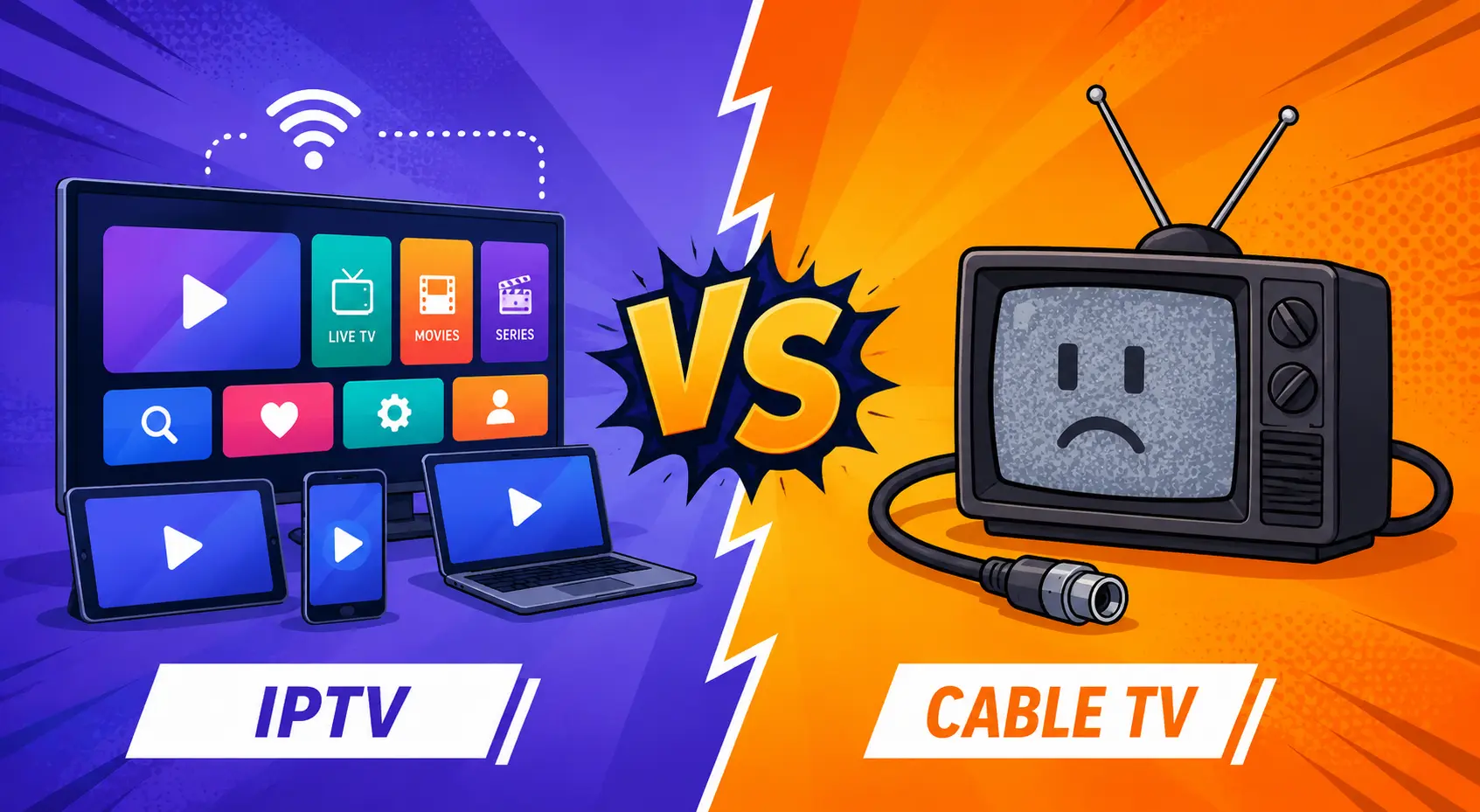
Television has changed dramatically over the last decade. Traditional cable TV was once the default choice for watching sports, movies, news, and entertainment channels at home. Today, many viewers are switching to IPTV services because they offer more flexibility, on-demand access, and multi-device streaming. If you are comparing IPTV vs cable TV, understanding the differences can help you decide which option fits your viewing habits, budget, and internet setup.
While both services provide access to live television and entertainment content, they work in completely different ways behind the scenes.
In this guide, we explain how IPTV and cable TV work, compare pricing, streaming quality, channel availability, device support, reliability, and overall user experience.
What Is IPTV?
IPTV stands for Internet Protocol Television. Instead of delivering television channels through traditional cable infrastructure, IPTV sends content through an internet connection. This allows users to stream live TV channels, video-on-demand content, catch-up TV, and recorded programs on different devices.
Unlike standard streaming platforms that only focus on movies or TV shows, IPTV services often combine live television with on-demand features inside a single app or platform.
According to the Internet Protocol Television definition, IPTV uses IP networks to transmit television content instead of traditional satellite or cable systems.
How IPTV Works
IPTV works by sending video streams through broadband internet connections. Users typically log into an IPTV app using either:
- M3U playlist URLs
- Xtream Codes login details
- Dedicated IPTV applications
- Provider-specific streaming portals
The content is then streamed directly to devices such as:
- Firestick
- Android TV boxes
- Smart TVs
- iPhones and Android phones
- Windows and Mac computers
- Tablets
- Streaming devices like Chromecast or Nvidia Shield
Many IPTV platforms also support advanced features such as:
- Catch-up TV
- Electronic Program Guides (EPG)
- Cloud DVR functionality
- Multi-screen viewing
- 4K streaming support
- Video-on-demand libraries
What Is Cable TV?
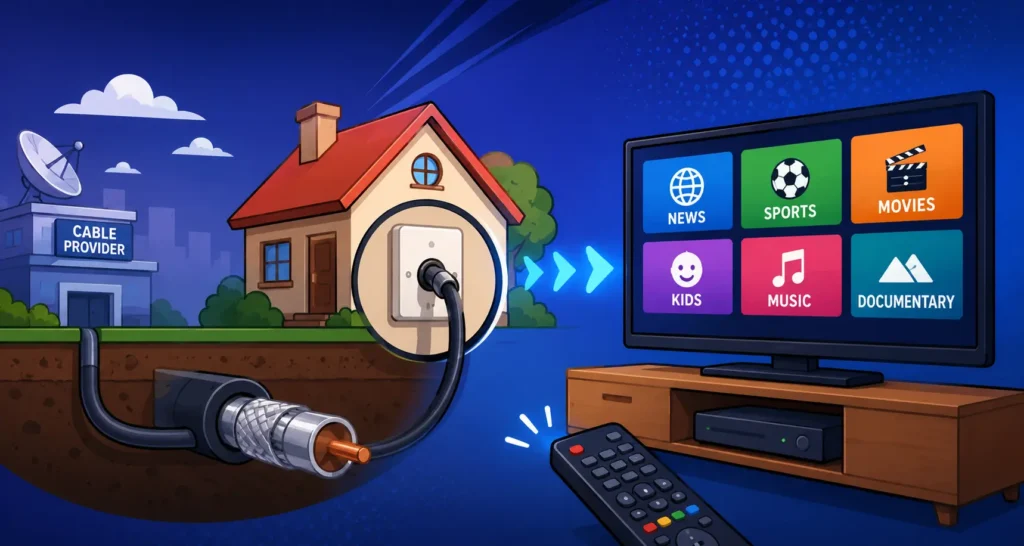
Cable TV is a traditional television delivery system that transmits channels through coaxial or fiber-optic cable networks. Cable providers usually install physical infrastructure directly into homes and provide a cable receiver or set-top box for channel access.
For decades, cable TV dominated home entertainment because it offered stable live television, premium movie channels, local stations, and sports broadcasting packages.
Unlike IPTV, cable television does not rely heavily on internet streaming for standard channel delivery. This means cable TV can continue working even if your internet connection experiences temporary issues.
How Cable TV Works
Cable TV providers distribute channels through dedicated cable networks connected to your home. Users subscribe to channel packages and access them using:
- Cable receiver boxes
- Smart cable DVR systems
- Provider-specific hardware
- Coaxial wall connections
Most cable providers also bundle:
- Internet service
- Phone service
- Premium channel subscriptions
- Sports packages
- Cloud DVR options
The International Telecommunication Union explains that traditional cable and IPTV systems use different delivery methods, especially regarding network management and quality control.
Main Difference Between IPTV and Cable TV
The biggest difference between IPTV and cable TV is the delivery method.
IPTV Uses Internet Streaming
IPTV streams television content over broadband internet connections. Everything depends on your internet speed, network stability, and streaming quality.
This gives IPTV several advantages:
- Access on multiple devices
- Portable streaming
- Flexible viewing locations
- On-demand content support
- Advanced customization features
Cable TV Uses Dedicated Cable Infrastructure
Cable TV uses physical cable lines connected to your home. Because it does not rely entirely on internet streaming, cable television is often more stable during peak usage hours.
Cable TV remains popular among viewers who prioritize:
- Consistent live sports coverage
- Local television channels
- Reliable signal quality
- Traditional TV channel navigation
- Simpler home setups
IPTV vs Cable TV Pricing
One of the main reasons viewers switch from cable to IPTV is pricing flexibility.
IPTV Pricing
Many IPTV services offer lower monthly costs compared to traditional cable packages. Users can often choose smaller subscription plans without paying for hundreds of unwanted channels.
IPTV services also reduce hardware costs because most platforms work with devices users already own.
Instead of renting cable boxes, IPTV users commonly stream through:
- Fire TV Stick
- Android TV
- Smart TVs
- Mobile devices
This makes IPTV appealing for users looking to reduce entertainment expenses while keeping access to live TV and streaming content.
Cable TV Pricing
Cable TV packages are usually more expensive because they often include:
- Equipment rental fees
- Installation costs
- Long-term contracts
- Premium channel add-ons
- Regional sports fees
However, some households still prefer cable bundles because internet, television, and phone services are combined into one bill.
Channel Availability and Content Variety
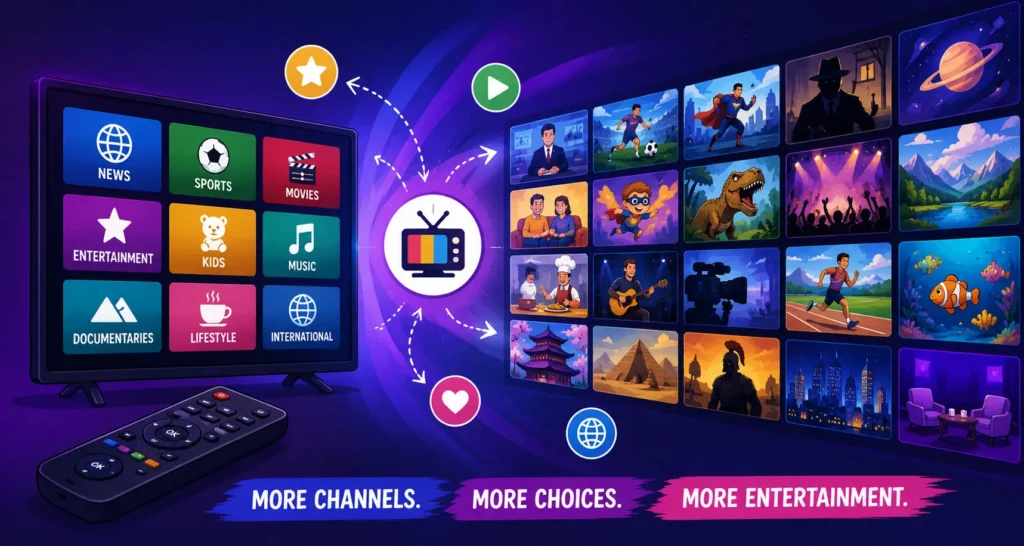
Both IPTV and cable TV offer live television channels, but IPTV generally provides more flexibility when it comes to content selection.
IPTV Content Options
IPTV services often include:
- International channels
- Sports packages
- Movies and TV series
- Regional entertainment
- Video-on-demand libraries
- Catch-up TV features
Because IPTV platforms use internet-based delivery, they can support a much wider range of categories and viewing preferences.
Many users prefer IPTV because they can access content across multiple countries and devices without being limited to local cable infrastructure.
Cable TV Content Options
Cable TV providers focus heavily on:
- Local channels
- National sports networks
- News broadcasting
- Premium movie channels
- Family entertainment bundles
Traditional cable remains especially strong for live sports and local broadcasting rights. Some sports fans still prefer cable because live events can experience slightly lower delay compared to internet streaming.
The growth of cord-cutting trends has also pushed many viewers toward IPTV and internet-based television alternatives.
Streaming Quality and Performance
Picture quality depends heavily on your setup and connection quality.
IPTV Streaming Quality
Modern IPTV services support:
- HD streaming
- Full HD channels
- 4K content
- HDR streaming
- Adaptive bitrate technology
However, IPTV quality depends entirely on internet performance. Slow broadband speeds, weak WiFi signals, or overloaded networks can cause:
- Buffering
- Freezing
- Playback errors
- Reduced picture quality
For smooth IPTV streaming, most households benefit from stable high-speed broadband and reliable WiFi coverage.
Cable TV Performance
Cable TV generally delivers more stable playback because the signal does not compete with normal internet traffic inside the home.
This means cable TV is usually less affected by:
- Network congestion
- WiFi interference
- Internet outages
- Bandwidth limitations
For viewers who prioritize consistency over flexibility, cable television still offers a dependable experience.
Device Compatibility and Flexibility
Another major difference between IPTV and cable TV is device compatibility.
IPTV Supports Multiple Devices
IPTV platforms are designed for modern streaming habits. Most users can watch content on multiple screens without needing dedicated television hardware.
Common IPTV-compatible devices include:
- Amazon Fire TV Stick
- Android TV boxes
- Apple TV
- Smart TVs
- iOS and Android smartphones
- Windows PCs
- Mac computers
- Tablets
This flexibility allows users to stream television at home, while traveling, or on mobile devices.
Many IPTV apps also support cloud synchronization, allowing users to continue watching content across different devices.
Cable TV Device Limitations
Cable TV setups are usually tied to a single household location. Additional televisions often require extra cable boxes or hardware rentals.
While some cable providers now offer streaming apps, their systems are still generally centered around traditional in-home television viewing.
This can make cable TV less flexible for users who prefer mobile streaming or multi-device access.
Live Sports and Broadcasting Rights
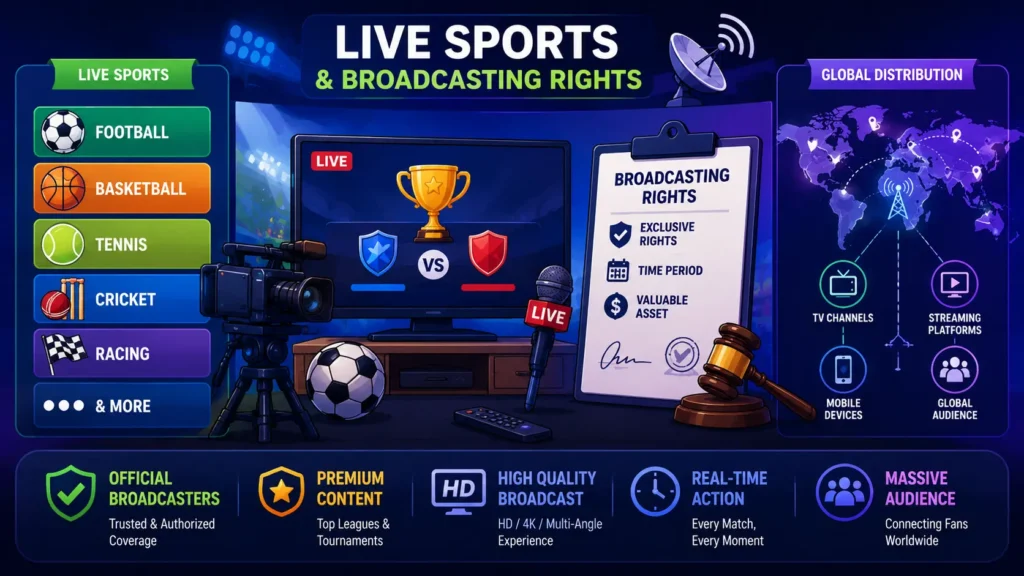
Sports viewing remains one of the biggest deciding factors when comparing IPTV and cable TV.
Cable TV and Sports Coverage
Traditional cable providers still maintain strong partnerships with major sports broadcasters and regional sports networks.
Many live sports rights are distributed through established television networks such as:
- ESPN
- Sky Sports
- TNT Sports
- beIN Sports
- NBC Sports
- Fox Sports
The Federal Communications Commission explains that cable television providers continue to play a major role in regional and national broadcasting distribution.
Cable TV often delivers slightly lower latency during live sports events because the content is transmitted through managed broadcast infrastructure rather than public internet connections.
IPTV and Sports Streaming
IPTV has become increasingly popular among sports fans because it allows viewers to stream matches across multiple devices and locations.
IPTV platforms commonly support:
- Multi-screen viewing
- International sports channels
- Mobile sports streaming
- Catch-up match replays
- Flexible viewing schedules
However, IPTV streaming quality during live sports depends heavily on internet stability and server performance.
During major sporting events, users with weak internet connections may experience:
- Buffering
- Stream delays
- Temporary freezing
- Reduced picture quality
Reliability and Stability
Reliability is another important factor when deciding between IPTV and cable TV.
Cable TV Reliability
Cable television systems are generally known for stable and predictable performance.
Because cable uses dedicated infrastructure, viewers are less likely to experience playback interruptions caused by:
- Internet congestion
- WiFi interference
- Home network issues
- Bandwidth overload
This makes cable TV appealing for households that prioritize uninterrupted viewing.
IPTV Reliability
IPTV reliability depends on several factors:
- Internet speed
- Router quality
- WiFi coverage
- Streaming server performance
- Device optimization
Modern broadband connections have improved IPTV performance significantly, especially for users with fiber internet or strong home networking setups.
Still, IPTV users may occasionally need to troubleshoot:
- Playback errors
- App crashes
- Playlist refresh issues
- DNS problems
- EPG synchronization
Installation and Setup Differences
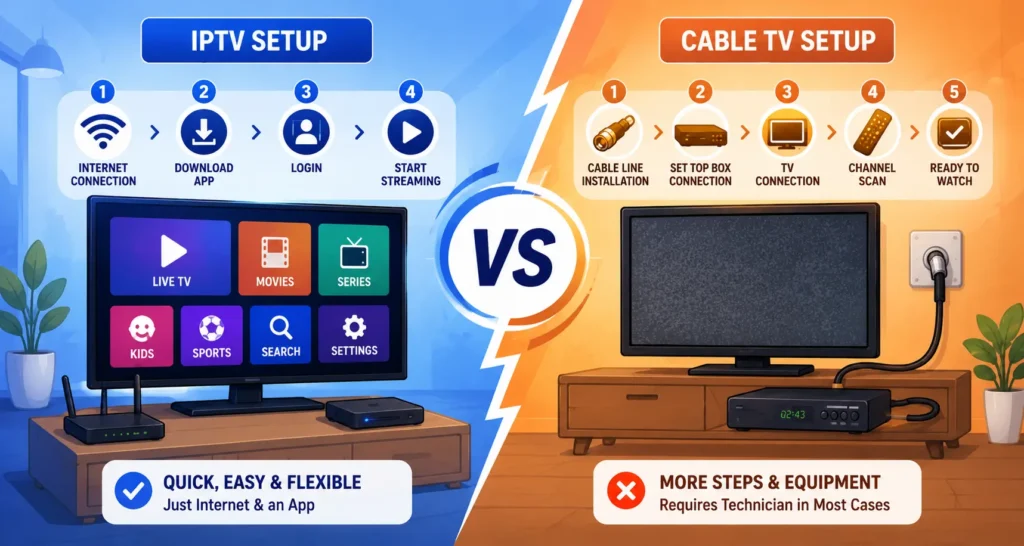
IPTV Setup
Setting up IPTV is usually faster and more flexible than installing cable television.
Most IPTV users simply:
- Install an IPTV application
- Enter playlist or login details
- Connect to the internet
- Start streaming
Popular IPTV apps include:
- TiviMate
- IPTV Smarters Pro
- XCIPTV
- Sparkle TV
Because IPTV works over internet networks, there is usually no need for technician visits or physical cable installation.
Cable TV Installation
Cable TV installations are often more traditional and hardware-focused.
Providers may require:
- Professional technician visits
- Wall cable installations
- Set-top box activation
- DVR setup
- Long-term contracts
While this can improve stability, it also reduces flexibility compared to IPTV systems.
On-Demand Features and Modern Viewing Habits
Modern viewers increasingly expect on-demand entertainment instead of fixed television schedules.
IPTV and On-Demand Streaming
Many IPTV services combine live television with large video-on-demand libraries.
Users can often:
- Watch movies anytime
- Pause live TV
- Replay previous programs
- Access catch-up channels
- Stream content across devices
This flexibility aligns closely with current streaming habits and binge-watching behavior.
Cable TV and Traditional Scheduling
Although many cable providers now include DVR and replay features, cable television still follows more traditional scheduling structures.
Users generally watch channels based on broadcaster programming schedules rather than selecting content instantly on demand.
Streaming platforms and IPTV systems have accelerated the shift toward personalized viewing experiences.
Internet Requirements
One of the biggest differences between IPTV and cable TV is internet dependency.
IPTV Requires Stable Broadband
IPTV performance relies almost entirely on internet quality.
For smooth streaming, users generally benefit from:
- High-speed broadband
- Fiber internet
- Strong WiFi coverage
- Modern routers
- Low network congestion
Households streaming 4K IPTV content may require significantly higher bandwidth compared to standard HD streaming.
The Ookla streaming speed guide explains how streaming quality is affected by bandwidth and network performance.
Cable TV Internet Dependency
Traditional cable television works independently from internet streaming for normal channel viewing.
This means viewers can continue watching television even if internet speeds temporarily slow down.
However, cable providers increasingly integrate streaming apps and cloud features that also depend on broadband connectivity.
Which Is Better: IPTV or Cable TV?
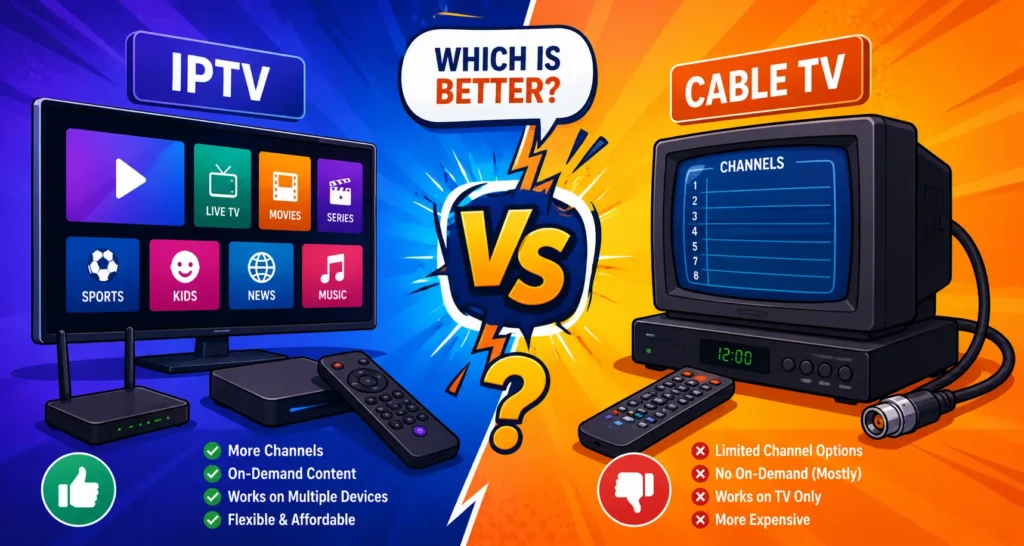
There is no universal answer because the better option depends on viewing habits, internet quality, and personal preferences.
IPTV May Be Better If You Want:
- Lower monthly costs
- Flexible streaming
- Multi-device support
- International channels
- On-demand viewing
- Portable streaming access
- Modern app-based interfaces
Cable TV May Be Better If You Want:
- Maximum reliability
- Stable live sports broadcasts
- Local television channels
- Minimal troubleshooting
- Traditional television experience
- Dedicated customer support
Many households today actually combine both systems by using internet streaming services alongside traditional cable subscriptions.
Final Thoughts
The debate between IPTV vs cable TV ultimately comes down to flexibility versus traditional reliability.
IPTV has transformed how viewers access entertainment by making television more portable, customizable, and internet-driven. It appeals strongly to users who want multi-device streaming, on-demand content, and lower monthly costs.
Cable TV still remains a dependable option for households that prioritize consistent live broadcasts, local channels, and simple viewing experiences without relying heavily on internet performance.
As internet infrastructure continues improving worldwide, IPTV adoption will likely continue growing alongside modern streaming habits. At the same time, cable television continues evolving by integrating more internet-based features into traditional broadcasting systems.
For many viewers, the best choice depends on:
- Your internet quality
- Your budget
- Your preferred devices
- Your sports viewing habits
- Your need for portability and flexibility
Understanding these differences can help you choose the television setup that fits your household and viewing style more effectively. Trying an IPTV service before paying for it is also of utmost importance.